Introduction
Honestly, don’t expect Switzerland to be cheap—but it can absolutely be visited without completely breaking the bank.
I spent an incredible 7 days exploring Lucerne, Interlaken, Grindelwald, and Lauterbrunnen, and my total cost came out to about $1,400–$1,500 USD. That covered cable cars, accommodation, food, and getting around one of the most expensive countries in Europe.
Switzerland is famous for its alpine lakes, rugged mountains, and postcard-perfect villages—but it’s just as well known for being expensive. For years, I assumed it was a “someday” destination, somewhere I’d only visit when I was much older and wealthier.
But I didn’t want to keep putting Switzerland off. It was one of my dream destinations, so I started looking into ways to make it work within my budget.
In this post, I’m sharing what it was like solo traveling through Switzerland on a budget in 2025, along with how I managed costs so you can decide whether it’s doable for you too.
Accommodations
Hostels in Switzerland are still quite expensive, but they’re the most affordable accommodation option.
In Lucerne, I stayed in a clean and modern female dorm for around $78 USD per night for two nights at Backpackers Luzern.
In Interlaken, I stayed in a six-bed female dorm for 5 nights at around $75 USD per night at Backpackers Villa Sonnenhof. This hostel had a cozy chalet/ski lodge vibe and even included free breakfast each morning, so that helped my budget since I didn’t have to buy breakfast and coffee.
It was definitely the most I’ve ever paid for a dorm bed, but both hostels were clean, comfortable, and had a well-equipped kitchen for cooking.
It was important for me to find hostels with good kitchens since I ended up cooking quite a bit to save money during the trip.
The kitchens at both hostels were busy and crowded. Both hostels also offered private and family rooms, and each night, I’d see friends and families gathered in the kitchen cooking meals together, likely for the same reason I was: to help keep the overall cost of the trip manageable.
Food
Not many hostels offer free breakfast, but Backpackers Villa Sonnenhof in Interlaken did, and I definitely took full advantage of it. Honestly, the included breakfast made the price of the dorm bed feel a little better.
The breakfast was simple — yogurt, granola, toast, cheese, jam, butter, coffee, and juice — but it was filling. I ate a huge breakfast every morning, and with just a small snack in the afternoon, I often wasn’t hungry again until dinner. That alone helped me save on food costs.
The costs of eating out can quickly add up — a simple entrée can easily cost around $40 USD. So, by eating a free hostel breakfast, having a light lunch, and cooking many dinners, I managed to save on food costs.
Both hostels I stayed in had well-equipped kitchens with basics like oil, salt, and cookware provided. I’d usually make something simple like pasta, salad, or another quick meal. Given how crowded the hostel kitchens were, it seemed many people chose to do the same.
I based myself in Interlaken and used it as a hub for day trips. Since I spent most of my days out exploring, I rarely cooked lunch.
Because I would eat a fairly heavy hostel breakfast, I could often get by with just a small snack until dinner back at the hostel. Most days, I’d grab something simple like a granola bar and a banana or a small packaged pasta salad or sandwich from a grocery store. There was an assortment of ready-to-eat pasta salads and sandwiches available for around $5–7 USD at grocery stores.
You can also make your own sandwiches to bring with you for your day trips, but I opted for the convenience of grabbing a light snack while I was out.
I also recommend carrying a reusable water bottle. Tap water is safe to drink in Switzerland, so you can refill it throughout the day instead of buying bottled water — especially helpful if you’re hiking or spending long days exploring.
While I cooked many meals, I did eat out occasionally. You have to try cheese fondue in Switzerland at least once. My approach was to splurge selectively while cooking most of my meals.
Trains, Transportation, and Activities
One thing I didn’t get — and honestly wish I had — was the Swiss Half Fare Card.
The Swiss Half Fare Card gives travelers up to 50% off trains, buses, boats, and most mountain railways and cable cars across Switzerland.
At the time, I wasn’t sure if it would be worth it, but looking back, I think it might have paid for itself.
Even during my relatively short trip to Switzerland, transportation costs added up quickly because I took a number of trains for my day trips.
I traveled from Lucerne to Interlaken by train. I then used Interlaken as a base for several round-trip excursions and took train trips to Lauterbrunnen, Grindelwald, Gimmelwald, Wengen, Spiez, and Lake Brienz before continuing on to Geneva by train.
That’s already several train journeys at full fare. The cost of one-way train tickets for me ranged from about $12–45 USD, depending on the distance traveled.
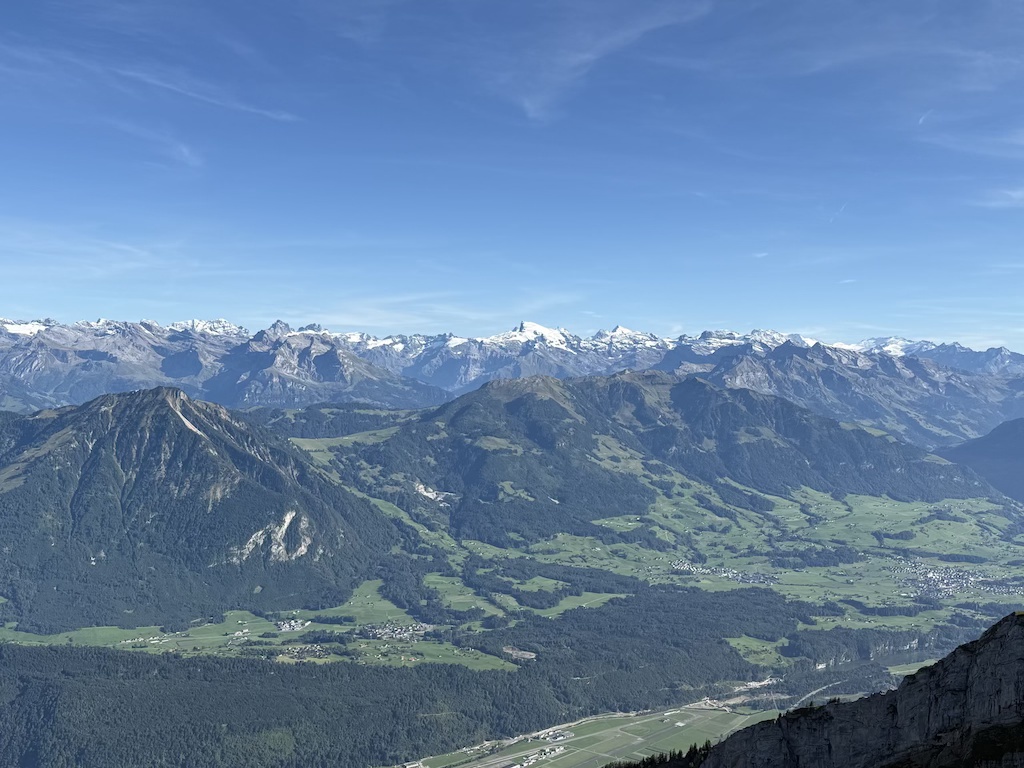
I also took a full-fare round-trip cable car up Mount Pilatus while I was in Lucerne. It was beautiful—but very expensive, costing a little over $100 USD. The Swiss Half Fare Card could have provided a hefty discount.
If you’re planning on doing a lot of train travel around Switzerland or visiting several mountain peaks by cable car, it may be worth looking into a Swiss Half Fare Card or a Swiss Travel Pass before your trip. Depending on your itinerary, either one could save you a decent amount of money on transportation.
Final Thoughts
Switzerland isn’t a cheap destination, but I think it can be done on a budget (loosely defined).
For me, excluding airfare, the total came out to about $1,400–1,500 USD for a 7-day trip. This included hostels, trains for multiple day trips in the Jungfrau region, two cable car rides, groceries, and the occasional meal out.
Switzerland definitely costs more than many other destinations in Europe, but it’s not impossibly out of reach.
Cooking your own meals and staying in hostels may not be glamorous, but when you’re surrounded by breathtaking alpine lakes and mountains, it’s definitely worth it if it helps make the experience possible.
For me, travel is about seeing once-in-a-lifetime places, so that’s where I choose to splurge.
Yes, the cable car to Mount Pilatus was expensive (though you can get this discounted with the right travel pass), but the views from the top were absolutely worth it.
And yes, I got the cheese fondue.
Budgeting while traveling isn’t about deprivation — it’s about prioritization.
For me, having a careful budget was worth it in exchange for the incredible views of Jungfrau, the turquoise alpine lakes, and the charming Swiss chalets tucked into the mountainsides.
And honestly, cooking meals in a hostel kitchen ended up becoming part of the experience too. I made a friend there; we cooked together, and we explored together. Budgeting didn’t just save me money — it gave me a travel companion during a fun and memorable trip.